The key information on bears needed to manage this Natura 2000 target species in the National Park includes data on their movements, home-range size, population density, activity and habitat use. The study was conducted from 2014 to 2021, thereby resuming the previous bear research programme that ran from 1981 to 1990.
The study was conducted by Professor Đuro Huber of the University of Zagreb Faculty of Veterinary Medicine.
During the 2014–2021 study period, a total of 11 bears were fitted with GPS collars and monitored.
According to the findings, Plitvice Lakes National Park is used by 25–30 bears at any one time, although all the collared bears also ranged beyond the Park’s boundaries. In this sense, the Park does not have “its own bears”; rather, it is used by bears whose home ranges extend partly into the Park. The average density is nine bears per 100 km², while individual home ranges cover 100–200 km². Bears avoid one another except during the mating season.
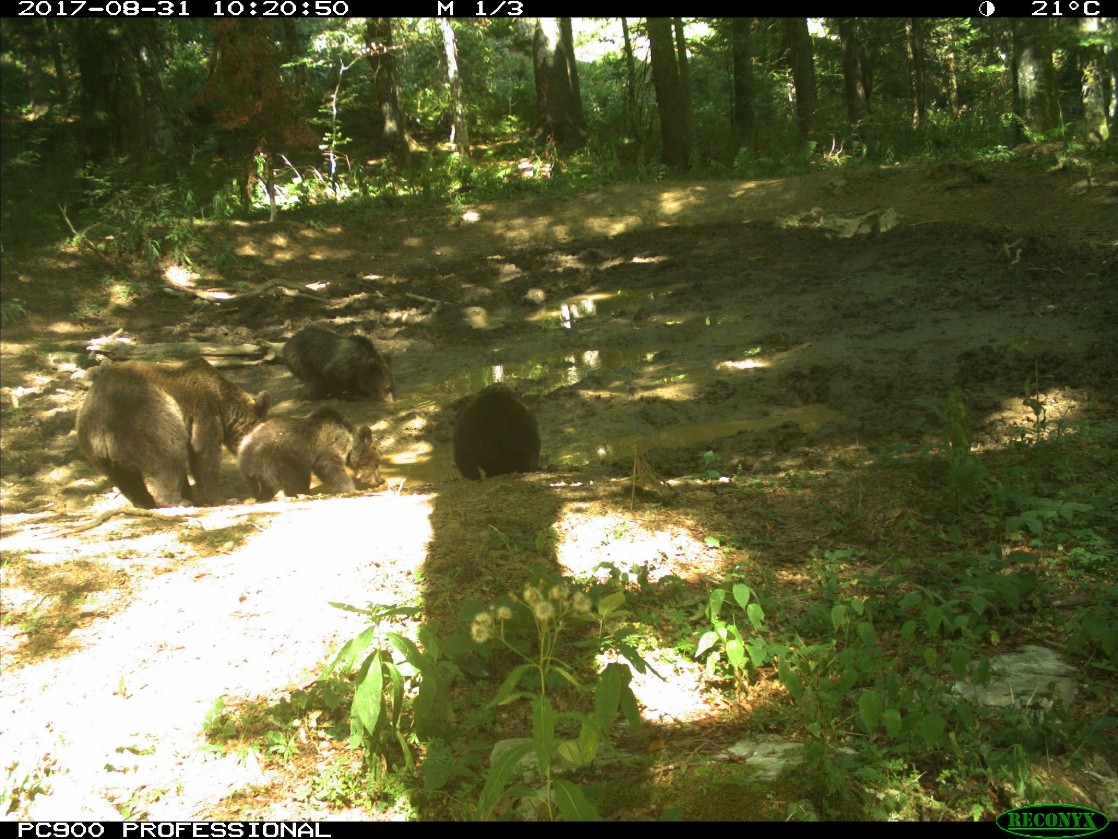
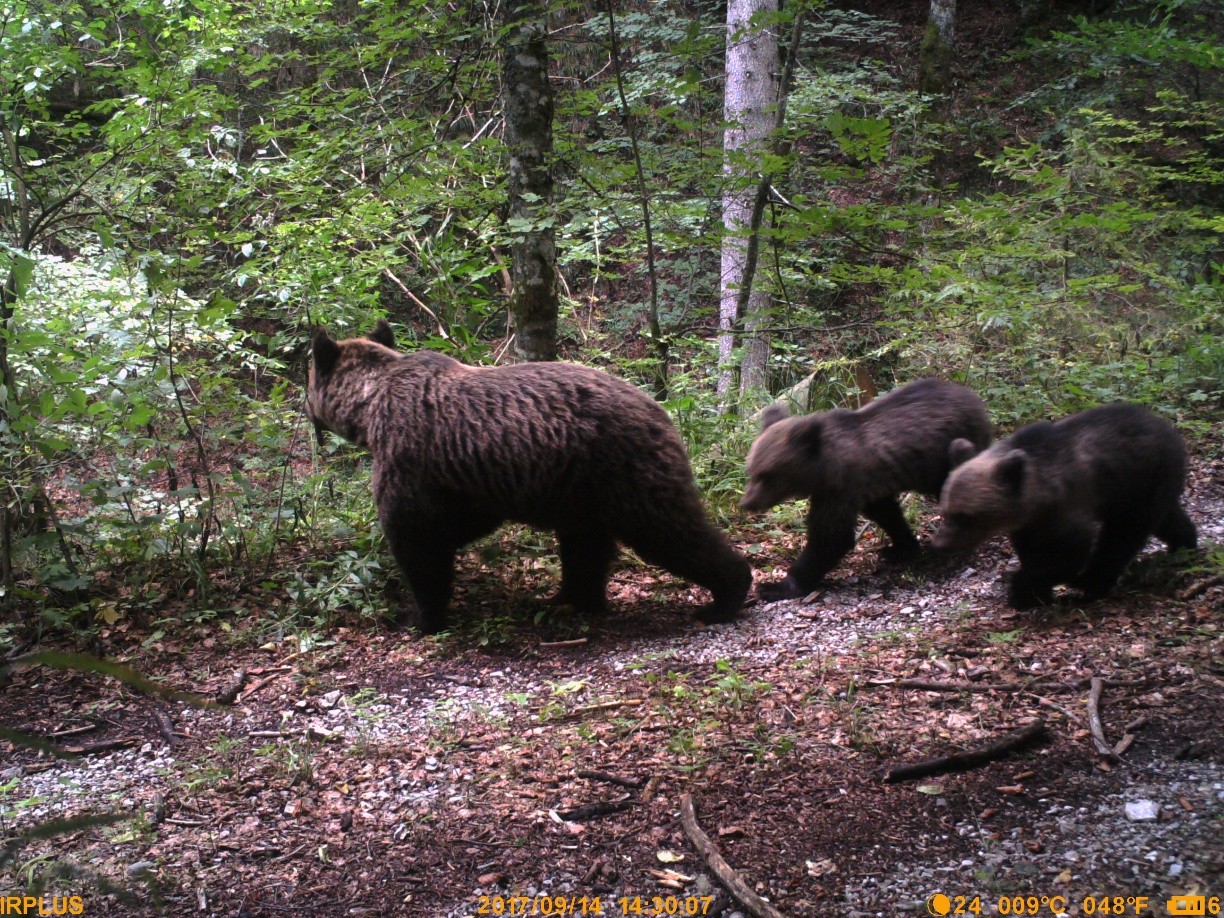
Unlike adult male bears, which move mainly at night, family groups, females with cubs and subadult bears are more active during the day.
All the bears examined were in good body condition and good health. One bear family group in the Park included three cubs, compared with the Croatian average of 2.4 cubs per litter.