


Planting a whitebeam tree with the students and teachers of the Cetingrad Primary School


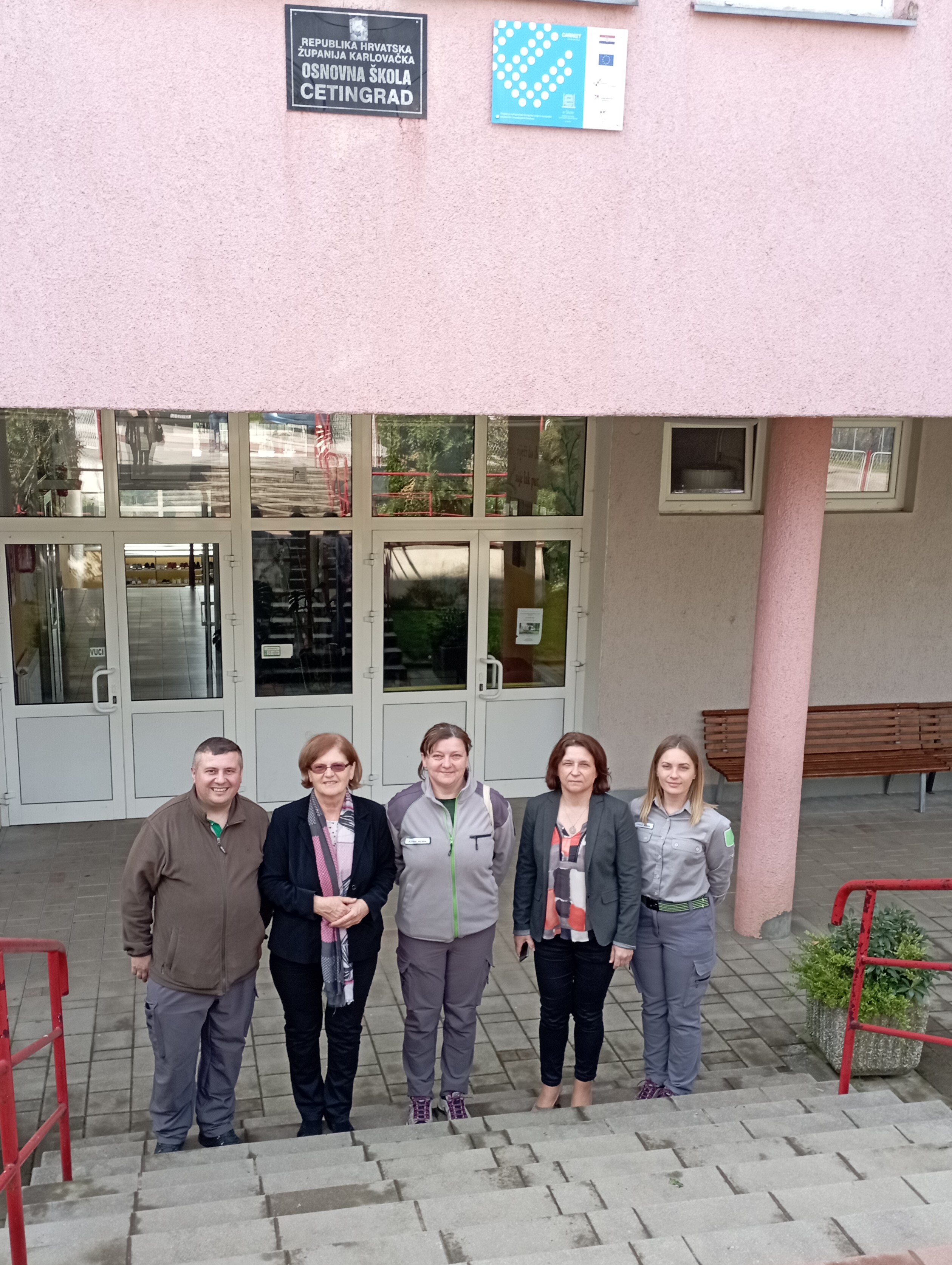
We have celebrated this year’s Earth Day with the students and teachers of the Cetingrad Primary School. The Cetingrad Primary School is located in Cetingrad, with around 100 students attending.
First, we introduced the students to the motto of this year’s Earth Day celebration: Invest in our planet! Every single one of us, including students, can help preserve Earth, our only home. Even small, everyday actions, such as turning off the lights when we are not using a classroom or other rooms, using bicycles over cars, separating and recycling waste, can contribute towards preserving our planet. We held a short quiz and gave out picture books on the natural values of Plitvice Lakes National Park to the students.
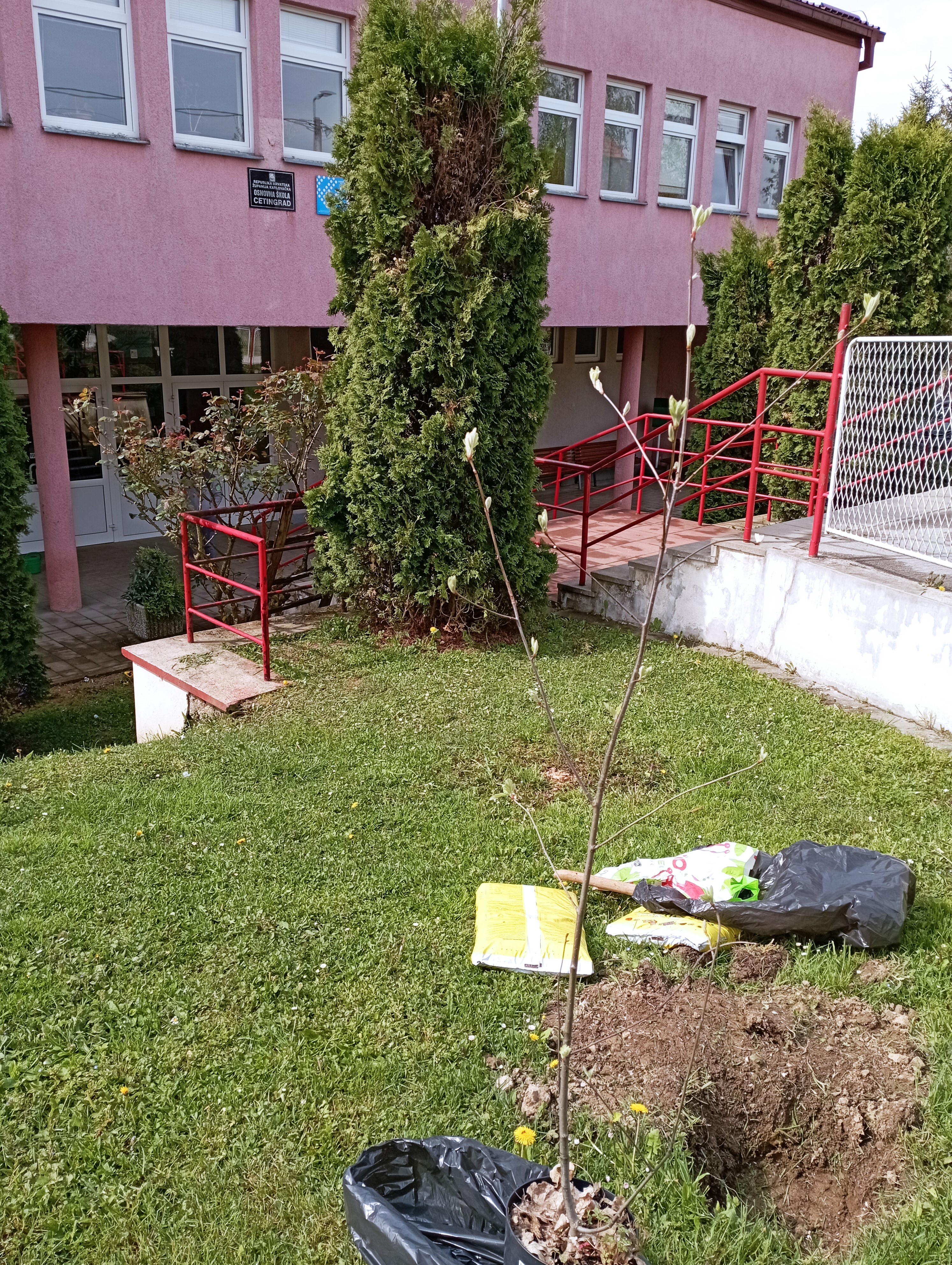


We concluded the brief education programme by planting a whitebeam tree (Sorbus aria) with the students in front of the school, which will serve as a reminder of this special day. The whitebeam is a forest fruit tree. Its flowers attract insects, while its fruits are food for birds and animals. People also used to eat its fruits in the past.
We would like to thank the headmistress of the Cetingrad Primary School, Zorka Cindrić, the librarian, Božica Tominac, the janitor, Mate, as well as the students and teachers who helped make this small Earth Day eco-action a reality.
You can read and see more about the Earth Day celebration with the students and teachers of the Cetingrad Primary School using the following link to the photo gallery.
“WHAT IS HAPPENING WITH CLIMATE?” EDUCATIONAL PROGRAMME FOR EARTH DAY

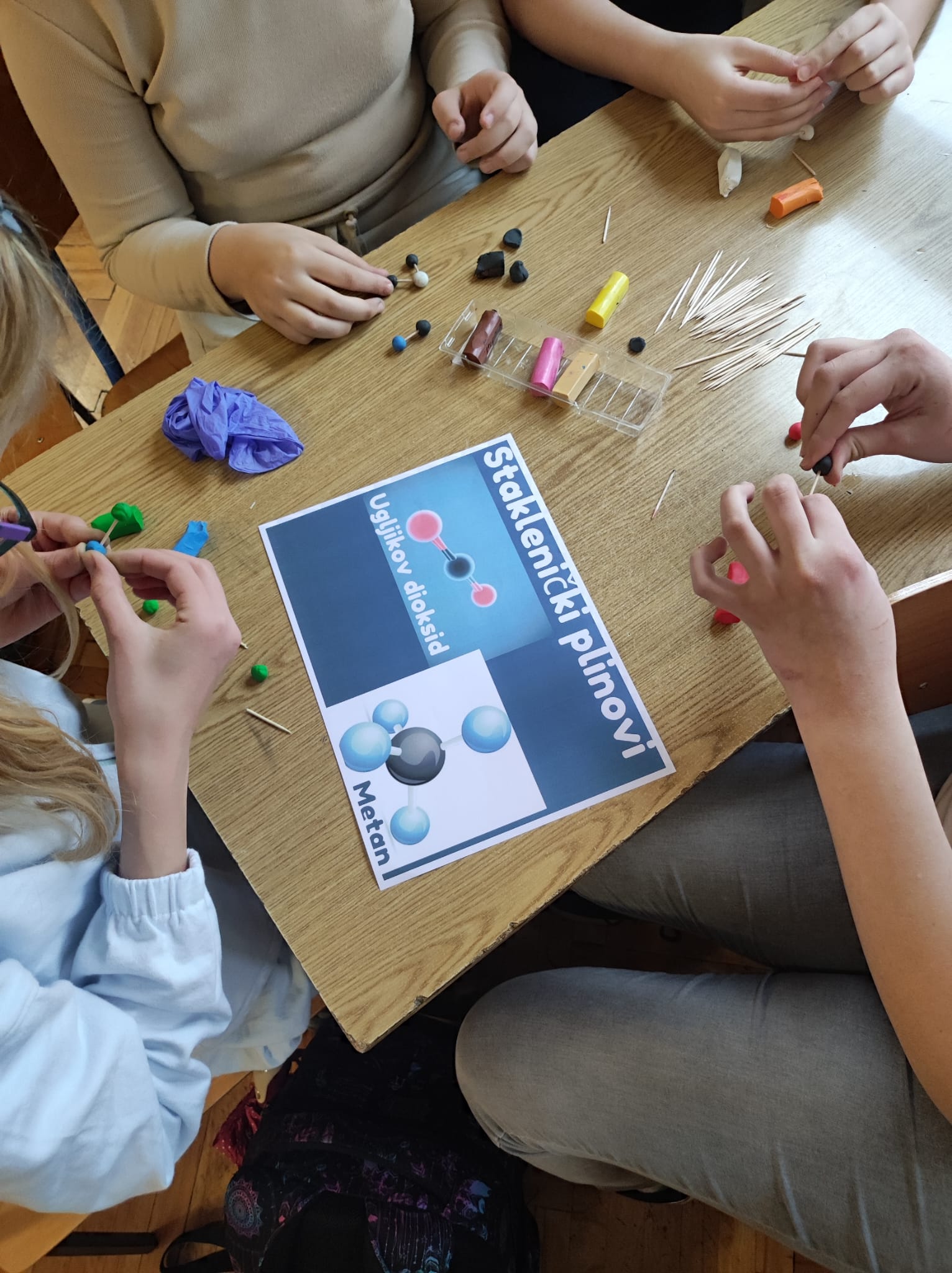
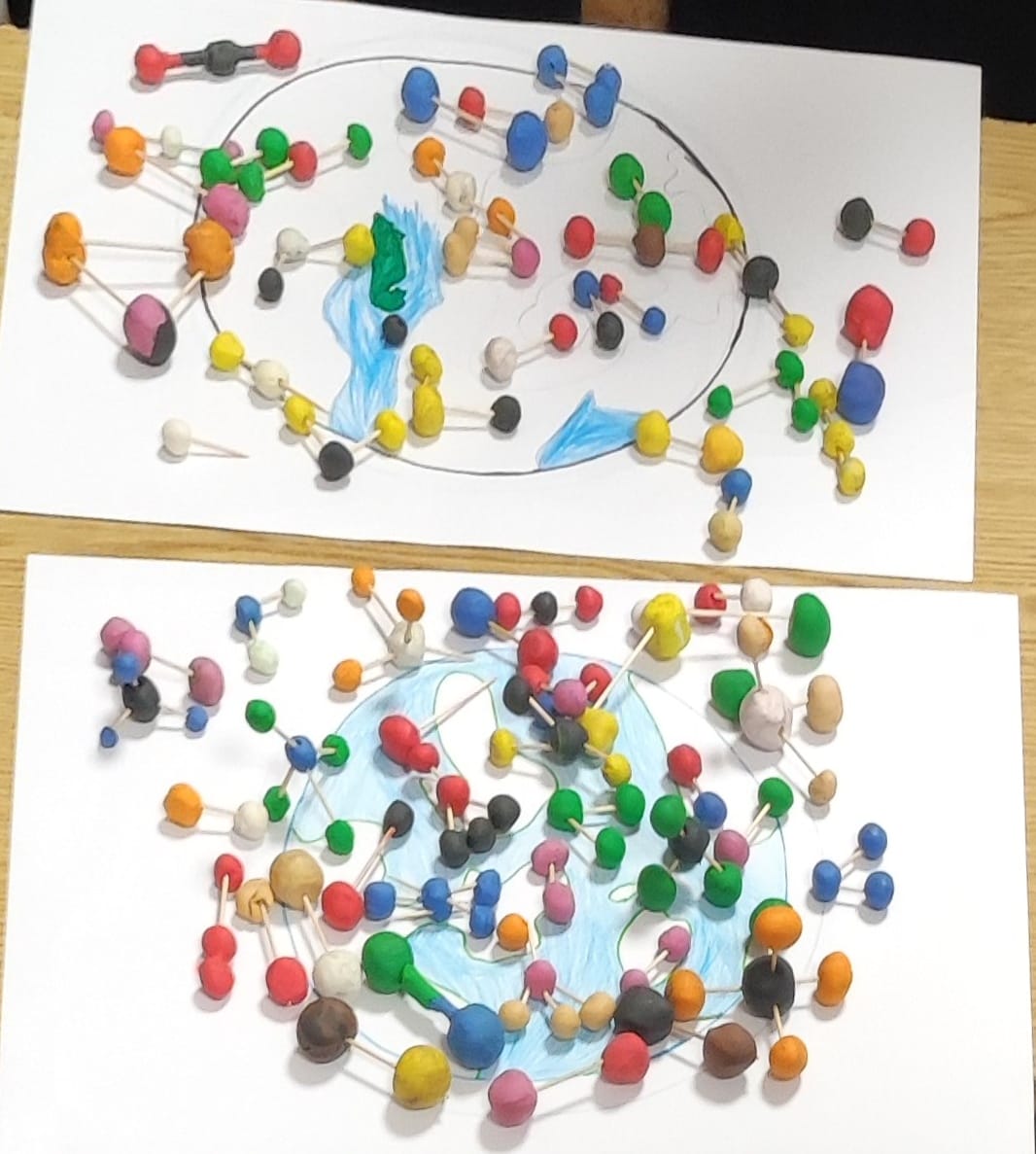
We used the opportunity presented by Earth Day to hold an educational programme called “What is happening with climate?” for 6th graders. The following local schools located inside the National Park or in its vicinity took part in the programme: Eugen Kvaternik Primary School in Rakovica, Plitvička Jezera Primary School in Mukinje and Dr. Franjo Tuđman Primary School in Korenica.
The programme taught the students the main differences between weather and climate, climate zones, and causes and effects of climate change which is unquestionably taking place on our planet. In order to make learning about climate change interesting, and not too packed with illustrations and facts, the students conducted an experiment on sea ice and glacier melting. The purpose of the experiment was to record the change in water level (or, globally, sea level) if Arctic and Antarctic ice were to melt. Did you know that the sea level would rise by 54 m if all Arctic ice were to melt? We wanted to make greenhouse gases and their effect on the planet’s warming more accessible to the students, so the creative section of the programme had them making models of greenhouse gas molecules using modelling clay and sticks following a template, drawing Earth, and placing their molecule models around the planet. This exercise also taught them the difference between an atmosphere with an excess of greenhouse gases and an atmosphere with less greenhouse gases. After the programme was concluded, we tested the gained knowledge with a quiz, which showed that students definitely learned the main changes caused by climate change on our planet.