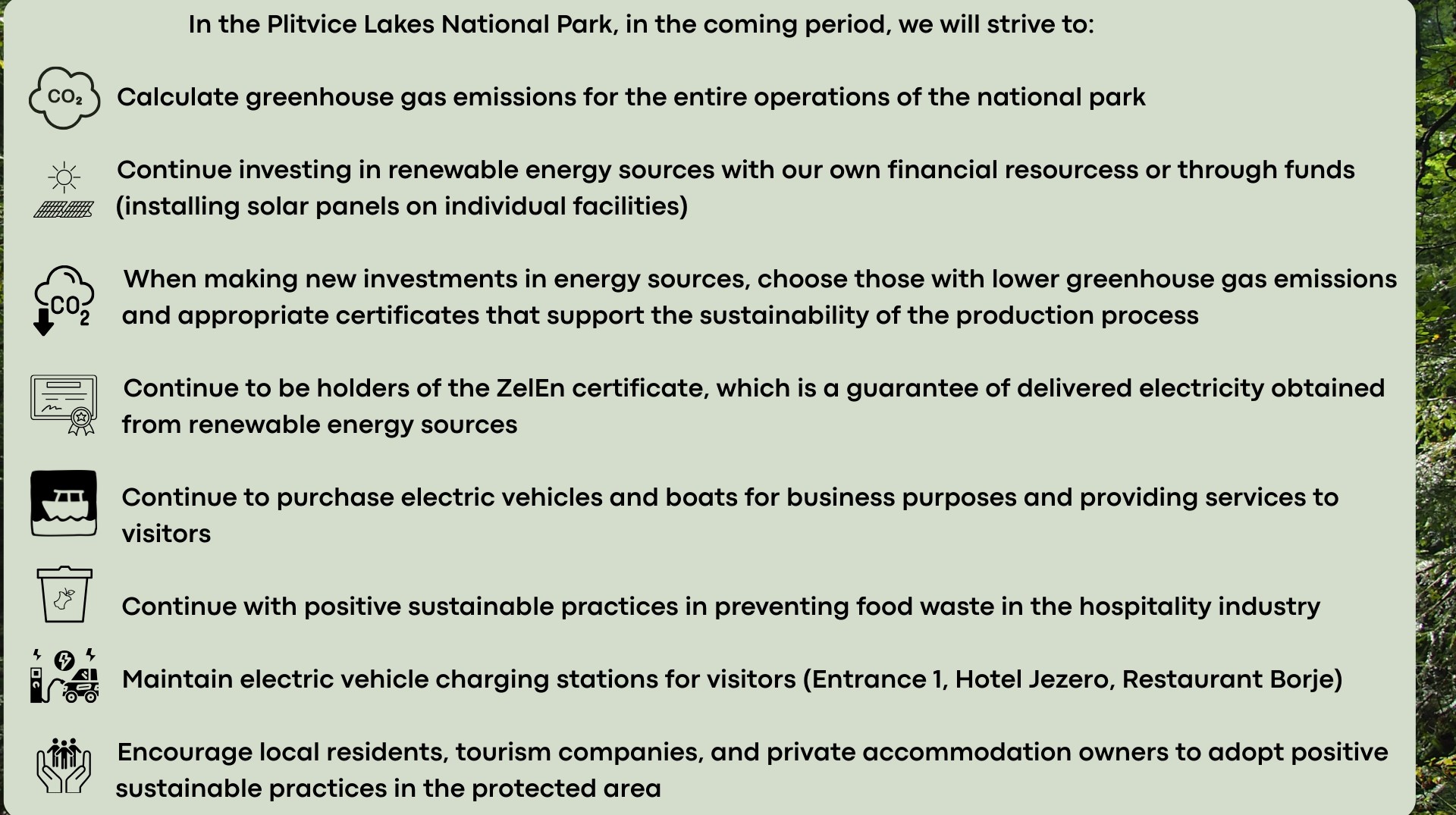


Greenhouse gas emissions such as carbon dioxide, nitrous oxide, sulphur dioxide, and methane have contributed to the climate change we are experiencing. Emissions resulting mainly from the combustion of fossil fuels such as oil, coal, and natural gas are the result of human activity in all sectors, most notably in energy production, industry, agriculture, and tourism. Given the accelerating effects of climate change that we are witnessing today, where we are experiencing more and more extreme weather events, and rising air and water temperatures, as well as the accelerated melting of glaciers, which is becoming “normal,” the step to reduce greenhouse gas emissions is mandatory in mitigating climate change. Switching to renewable energy sources, reducing emissions by choosing energy sources that do not emit significant amounts of greenhouse gases, using nature-based solutions, and restoring and preserving natural ecosystems are proving to be the right and sustainable path for our humanity.
However, sometimes it is not possible to reduce all emissions generated by business, production or travel. When we fail to do so, and we have taken important steps to reduce emissions, the part that remains is exactly what we should compensate for. Emission compensation is then crucial and refers to all those concrete measures taken by us to reduce emissions. They can be expressed through the allocation of a certain amount of money for investment in projects that carry out restoration interventions in degraded habitats, projects that invest in nature-based solutions, tree planting projects – in a word, projects that contribute to climate change mitigation and adaptation.
When using a calculator to calculate carbon and ecological footprint, such as:
- Calculation of the carbon footprint for travel and accommodation (calculation for each mode of travel with various means of transport, for accommodation, activities, food) – click here
- Calculation of the ecological footprint (you will receive information on how many planets of the Earth are needed for your lifestyle and when your personal day of exceeding resources is) – click here
- UN carbon footprint calculation (takes into account household, transport and lifestyle with a comparison of your personal emissions, the average for the country you come from and the world average) – click here
we can compensate the measured emissions by investing in projects that we find interesting and which are related to the above calculations. Above all, compensation alone without an active contribution to reducing emissions does not mean much.
The possibilities for participating in emission compensation are diverse, especially at the international level, while in Croatia we can highlight an interesting program that neutralizes the carbon footprint by planting trees – CO2mpensating by planting, in which companies, cities, municipalities and all interested parties can participate through the described application steps.
Plitvice Lakes National Park and forest ecosystems
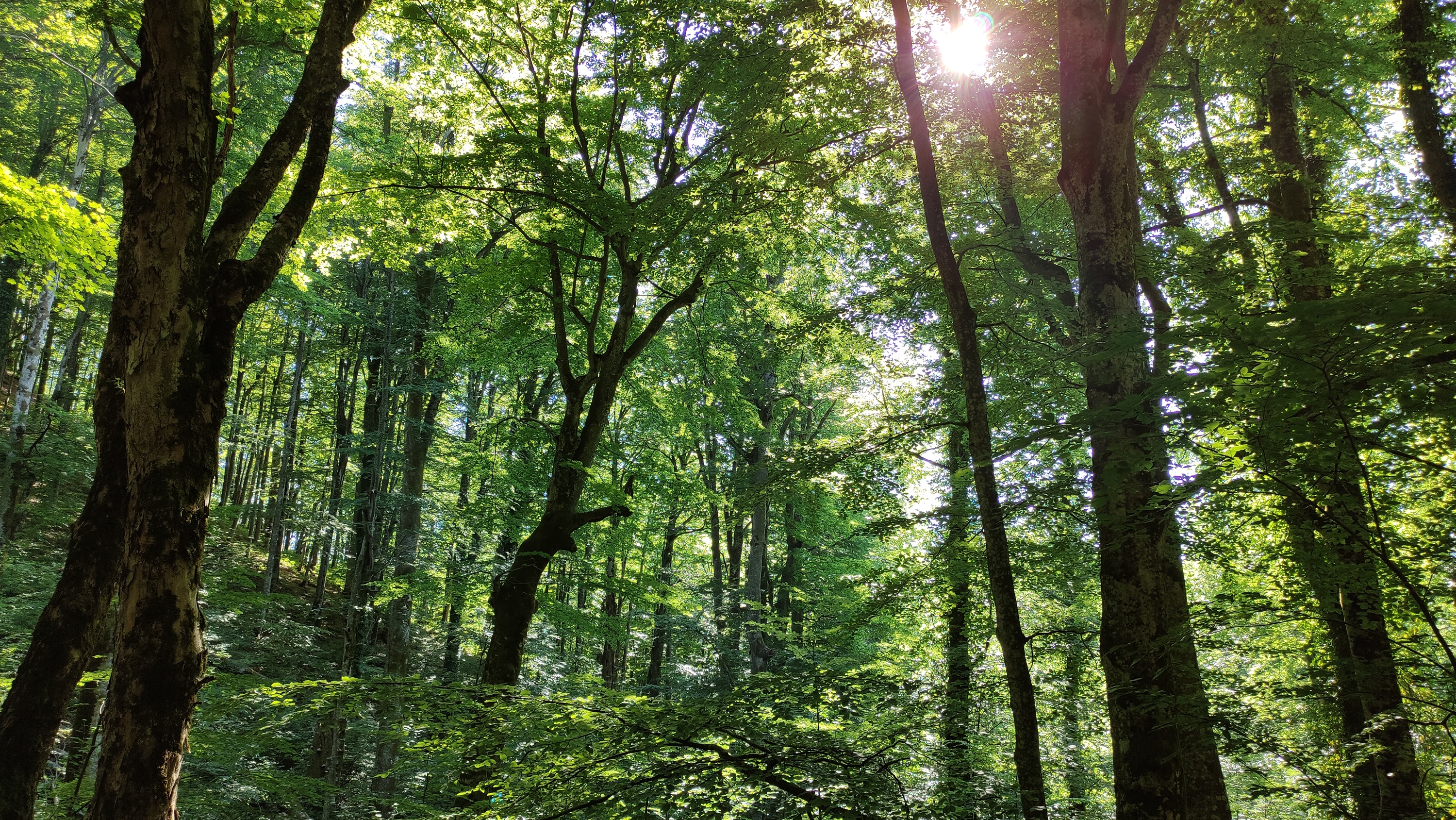
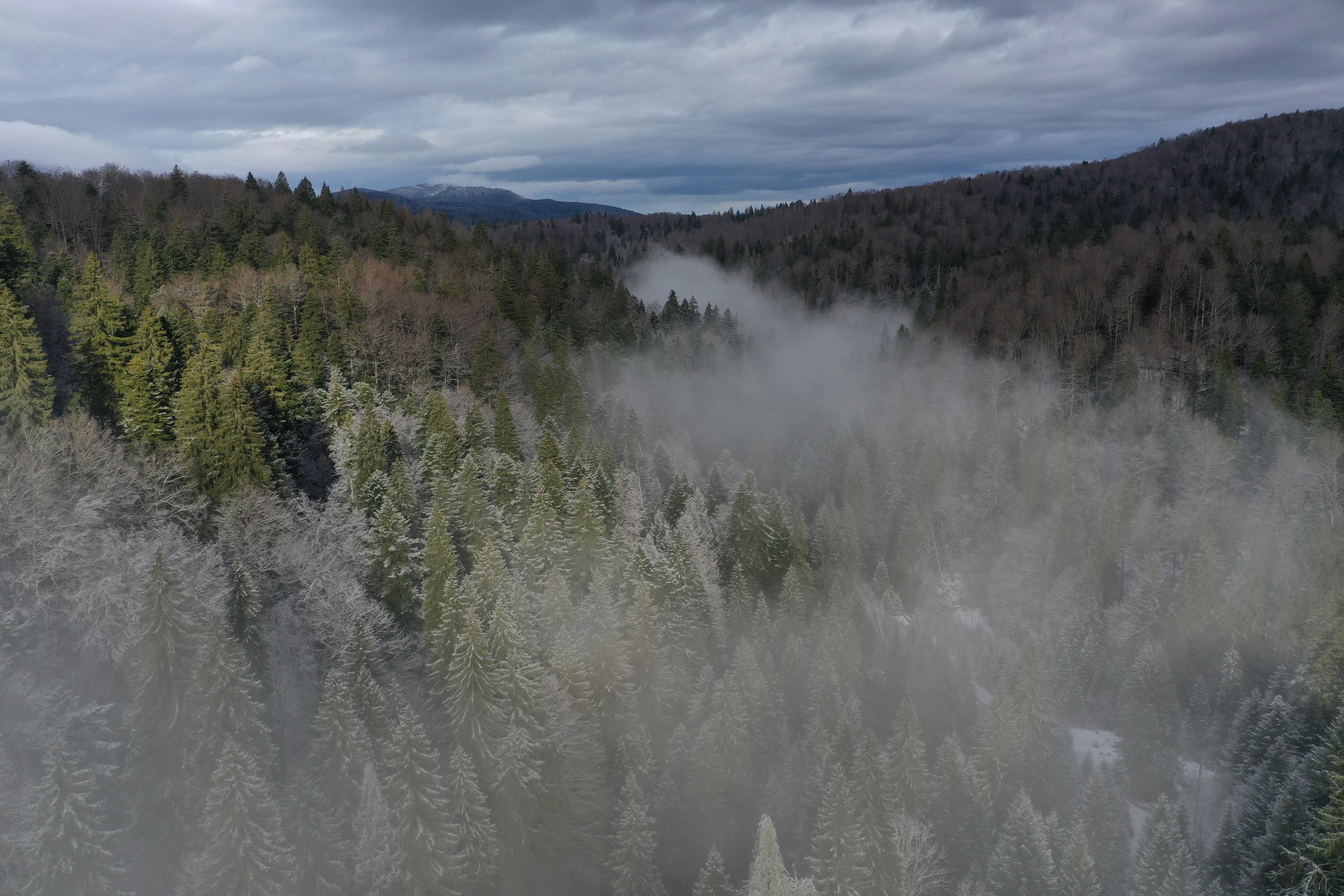
One of the important studies of forest ecosystems in the national park concerned the application of innovative methods in collecting spatial data from the air. This provided us with high-quality data on the proportion of trees, and the presence of 4,007,362 trees was calculated, with beech dominating with a share of 75%, fir with a share of 20%, and spruce with 4%. The growing stock on the entire Park`s surface amounts to 9,307,933 m3, and the estimated above-ground biomass for the national park of 330 t/ha is significantly above the value for Europe (120 ha/t). This data highlight the importance of forests in the global context, as well as their contribution to CO2 sequestration. At the same time, the Plitvice forests ranked fourth in terms of sequestration of CO2 from the atmosphere in the category of areas that include UNESCO World Natural Heritage.
Given that forests are key in the fight against climate change because they are important carbon sinks (1 ha of forest can remove up to 12 tons of carbon dioxide – CO2), it is particularly important for the national park to leave forests to their natural development and logging is not allowed. In total, more than 3.8 million tons of carbon are stored in the growing stock of the Plitvice forests. With the development of the Forest Protection, Care and Restoration Program, an additional 942 ha of forest areas were identified that will remain permanently protected, and the share of the area under forests increased from 81% to 84%. A further project investing in the establishment of biomonitoring of forest growth and carbon storage was recognized as one of the good practice stories that aims to expand knowledge about biological and ecological processes in forest ecosystems, but also to bring forests closer to visitors in the context of climate change.
In addition to the obligation to conserve forest ecosystems, the national park certainly protects other habitats such as grasslands, peatlands and water ecosystems. Investments in the revitalization of grasslands and the prevention of succession on grassland surfaces are important steps in the permanent preservation of these habitats, which are also hotspots of biodiversity.