The study was conducted in cooperation with the University of Zagreb Faculty of Veterinary Medicine from 2014 to 2021, under the direction of project leader Professor Josip Kusak.
Because no lynx research or monitoring had previously been carried out in Plitvice Lakes National Park, the study was launched to improve the management of this Natura 2000 target species. Its aim was to obtain baseline information on lynx movements, individual home-range size, population density, reproduction, activity and habitat use.
Prior to this study, no lynx from Plitvice Lakes National Park (PLNP) or this part of central Lika had been monitored. The project therefore aimed to extend lynx research to parts of their habitat that had not previously been studied systematically. The new findings have added to the overall body of knowledge about the lynx and will be particularly valuable for managing this strictly protected species in Croatia.
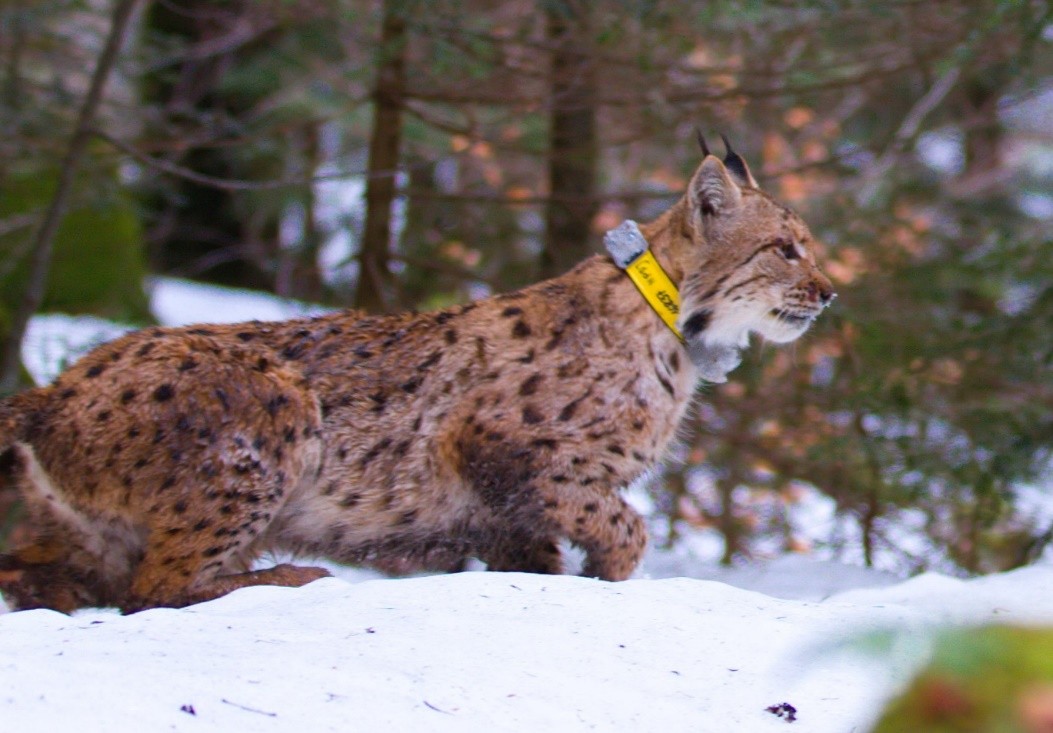
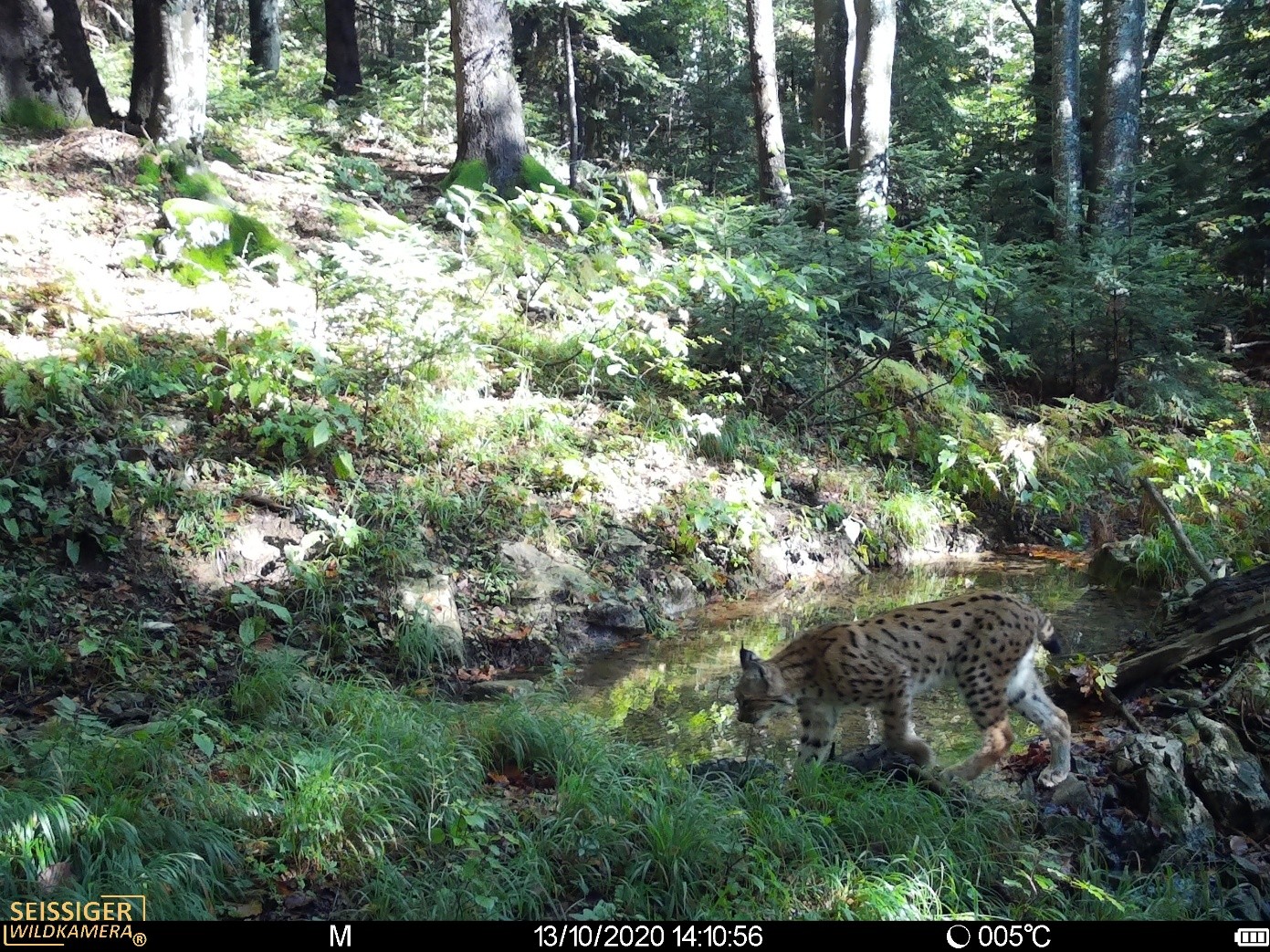
Telemetry, combined with camera traps and snow tracking, was selected as the most effective method of collecting data and gaining insight into lynx ecology. The study involved capturing live lynx, fitting them with GPS collars and monitoring them.
During the study, seven lynx were captured and fitted with GPS collars. Their home ranges averaged 200 km² and overlapped spatially, although the animals did not use the overlapping areas at the same time. Analysis of the camera-trap footage confirmed that nine lynx used the Plitvice Lakes National Park area. They were most active at dawn and dusk.
A substantial proportion of PLNP was found to fall within the highest lynx habitat-suitability classes. Based solely on natural habitat components, the entire Park provides prime lynx habitat, except for areas around settlements, alongside major roads and in the large open fields near Homoljac, Brezovac and Babin Potok.