


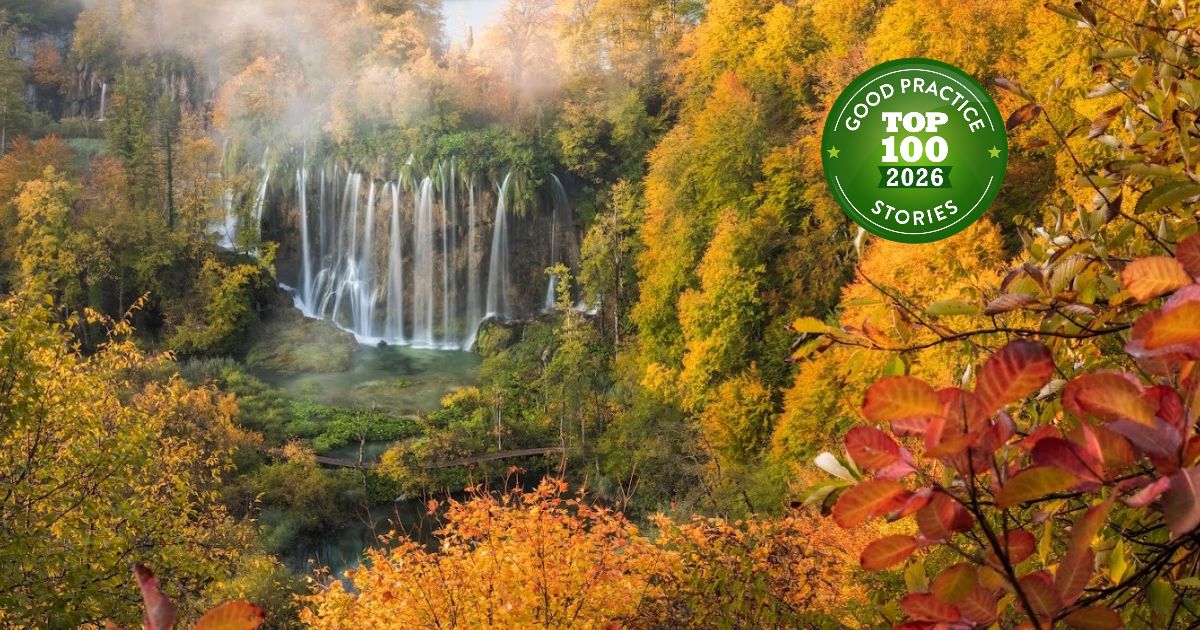

Plitvice Lakes National Park has once again received international recognition as an example of good practice in sustainable tourism. The Park’s story has been selected for the prestigious Green Destinations Top 100 Stories 2026, a collection of 100 successful and inspiring examples of sustainable tourism practices from around the world.
Being included in this list is yet another recognition of the efforts made by Plitvice Lakes National Park to integrate sustainability principles into various aspects of its operations, while preserving its natural assets and ensuring the responsible management of this protected area.
This year’s story, entitled “Local Products in a Protected Area: Supporting the Preservation of Tradition, the Development of the Local Economy and an Authentic Visitor Experience”, highlights the importance of connecting the tourism offer with the local community, local producers and the traditions of the Lika region.
Local Products as Part of an Authentic Destination Experience
As Croatia’s oldest and largest national park and a UNESCO World Heritage Site, Plitvice Lakes National Park attracts large numbers of visitors from Croatia and around the world every year. Alongside its responsibility to protect its exceptional natural heritage, an important part of the Park’s sustainable management approach is fostering strong ties with the local community and supporting the development of the wider region.
One way of strengthening these connections is by incorporating locally made products into the offer of the Park’s restaurants, cafés and souvenir shops. This gives visitors the opportunity not only to explore the natural beauty of Plitvice Lakes but also to discover the rich traditions, gastronomy and craftsmanship of the Lika region.
Products carrying the Lika Quality label hold a special place in the Park’s offer. This regional quality certification scheme brings together local producers of food, beverages and souvenirs. Honey, cheeses, fruit preserves, beverages, handcrafted items and other locally made products reflect the authentic character and heritage of the region. In the Park’s souvenir shops, these products are clearly identified with the Lika Quality label, while local ingredients and traditional dishes are featured on the menus of its restaurants.
Supporting the Local Community and Sustainable Development
By incorporating local products into its tourism offer, the Park helps preserve local traditions and the cultural identity of the destination, while creating additional opportunities for local producers. Partnerships with the tourism sector allow them to showcase their products to a wide audience of visitors, while also contributing to the strength and resilience of the local economy.
Sourcing local products also has an important environmental dimension. Shorter supply chains can reduce the need for transportation and, consequently, the associated emissions. Although local production capacity cannot always meet the demands of a large tourism operation, the uniqueness, quality and authenticity of these products make them particularly valuable and worthy of support.
This practice demonstrates that sustainable tourism goes far beyond the protection of natural resources. It also involves a commitment to the places, people and traditions that shape a destination’s identity. Protected areas, in particular, have an important role to play in connecting visitors with the local community and its heritage.
Being included in the Green Destinations Top 100 Stories 2026 is yet another international recognition of Plitvice Lakes National Park’s ongoing commitment to sustainable tourism. We are proud that our initiative has been recognised among 100 examples of good practice from around the world. This recognition also encourages us to continue our efforts to preserve our natural heritage, support the local community and create an authentic and meaningful visitor experience.
